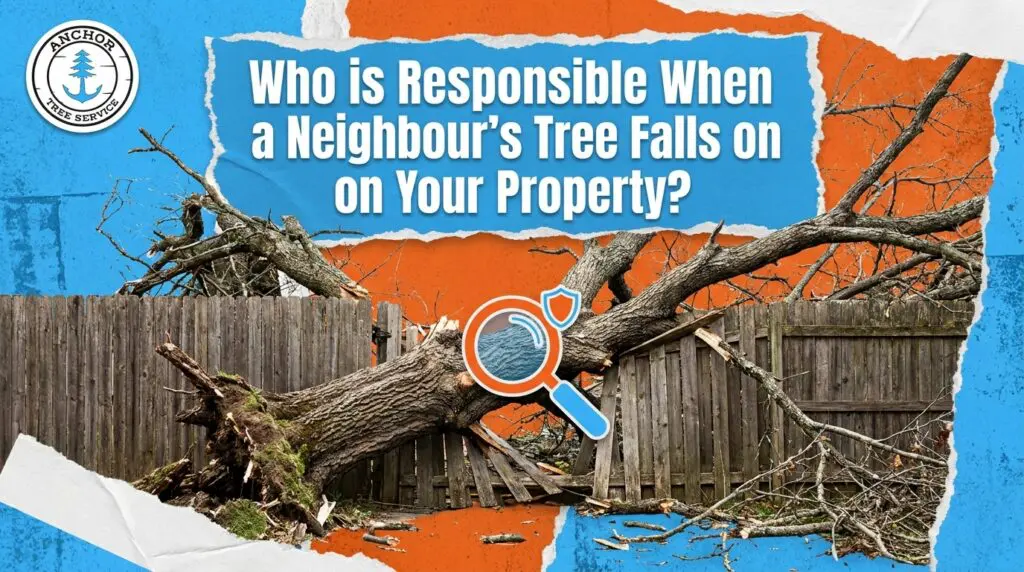
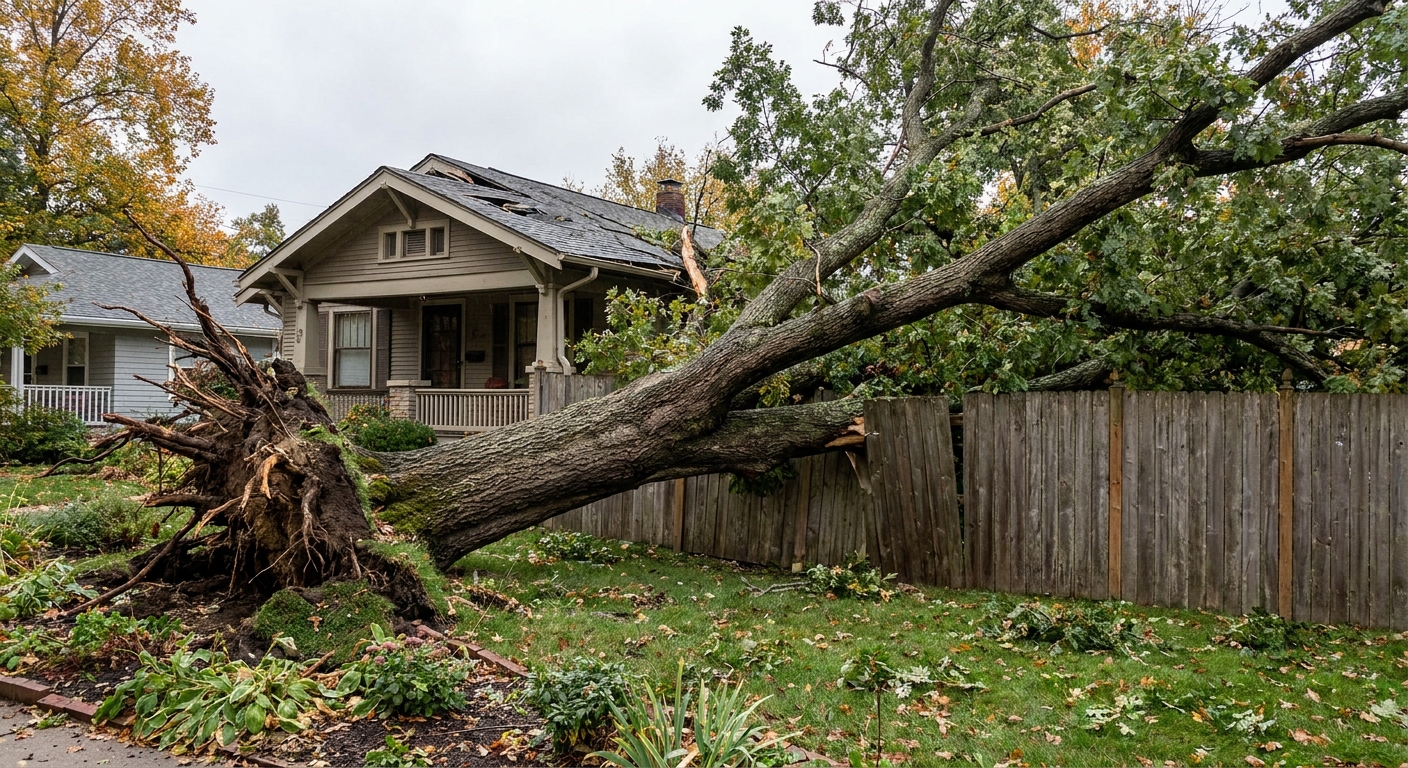
When a neighbour’s tree comes down on your property, the immediate concern is safety and damage. But the legal question that follows—who is responsible for cleanup and repairs—depends on two factors: where the tree’s trunk stood relative to the property line, and whether the failure was an unpredictable act of nature or the result of negligence.
Understanding these principles before you act can prevent costly mistakes and strained relationships. This guide walks through ownership, negligence, insurance, and the practical steps to take after a tree falls, so you can move forward with clarity.
Determining Tree Ownership and Property Lines
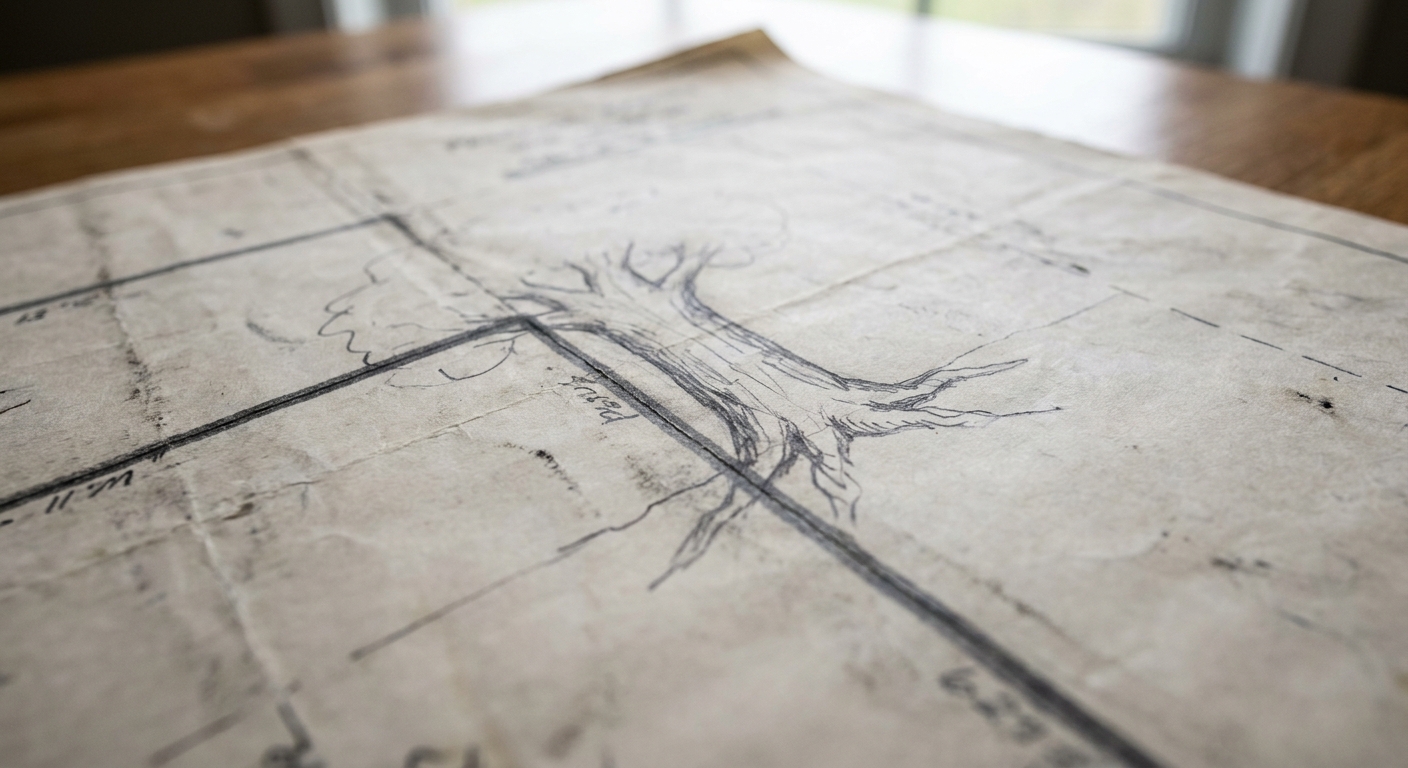
The first step is to confirm who owned the tree. Do not rely on fences or hedges; these are not legal boundaries. Find your property survey—often included in your purchase documents—or hire a licensed land surveyor to mark the true line. The location of the tree’s trunk at ground level determines ownership.
If the trunk sits entirely on your neighbour’s side, they own the tree, even if branches or roots extend over your land. If the trunk is entirely on your side, you own it. But if the trunk straddles the property line, it is a boundary tree, and both owners share responsibility.
Boundary Trees: Shared Ownership and Responsibility
Boundary trees are jointly owned. Neither neighbour may remove or significantly prune the tree without the other’s consent, and both share the cost and responsibility for maintenance. If a boundary tree falls and damages either property, liability is typically shared. Check your survey to see if the trunk touches the line; even a small portion can make it a boundary tree.
Overhanging branches and encroaching roots do not change ownership, but you may have the right to trim them back to the property line in many areas—provided you do not harm the tree’s health or trespass. Always check local rules before cutting, because improper pruning can make you liable for damage.
Negligence vs. Act of Nature: When Is the Neighbour Liable?
Liability for a fallen tree hinges on fault. If a healthy tree falls during a sudden, severe storm, the law generally treats it as an act of nature. The tree owner is not automatically liable, and your own insurance typically covers the damage. However, if the tree was dead, diseased, or structurally unsound—and the owner knew or should have known—the neighbour may be found negligent.
Negligence means the owner failed to take reasonable steps to prevent a foreseeable hazard. Evidence of neglect shifts financial responsibility to the tree owner or their insurer.
Proving Negligence in Tree Maintenance
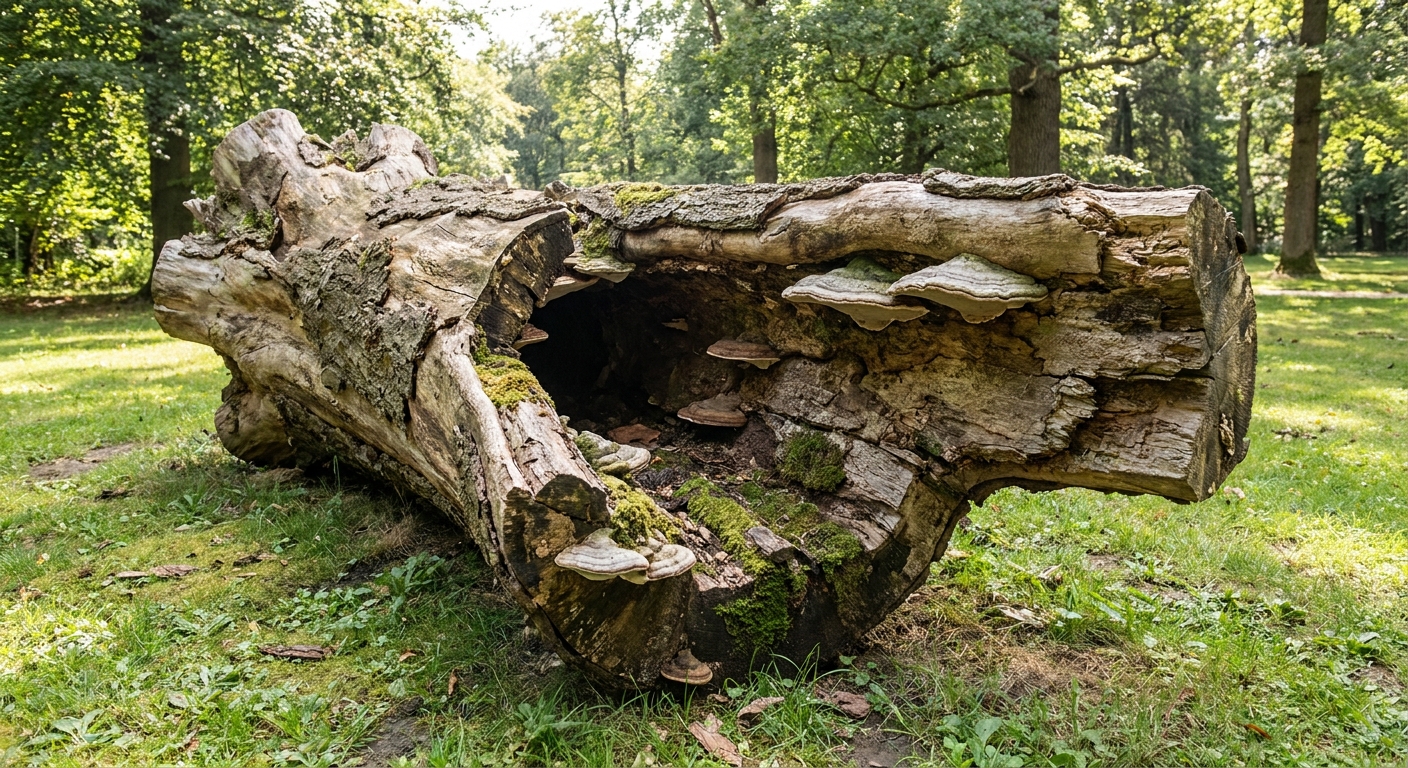
To prove negligence, document the tree’s condition before and after the fall. Look for visible decay, large dead branches, fungal growth, cavities, or a leaning trunk. Photographs, written complaints you made to the neighbour, and witness statements all help. A professional arborist report can identify structural defects that indicate the tree was already compromised.
Our team includes ISA Certified Arborists with Tree Risk Assessment Qualification, so when we inspect a fallen tree we look for specific signs—like root plate lifting, included bark, or extensive heart rot—that point to predictable failure rather than a random wind event.
When a Fallen Tree Is Considered an Act of Nature
If the tree was healthy and the fall was caused by an unforeseeable event like a microburst, lightning, or extreme winds, the neighbour is usually not liable. In that scenario, your own homeowners insurance is the primary source for repairs. Even then, you may still be responsible for clearing the debris from your property unless your policy includes debris removal.
The distinction matters because it determines whether you file a claim solely with your insurer or whether you also pursue the neighbour’s insurance. Your insurer will investigate and may recover costs if negligence is found.
Immediate Steps After a Neighbour’s Tree Falls on Your Property
After ensuring everyone is safe and avoiding any downed power lines, take these steps to protect your property and your claim.
Document the Damage and the Fallen Tree
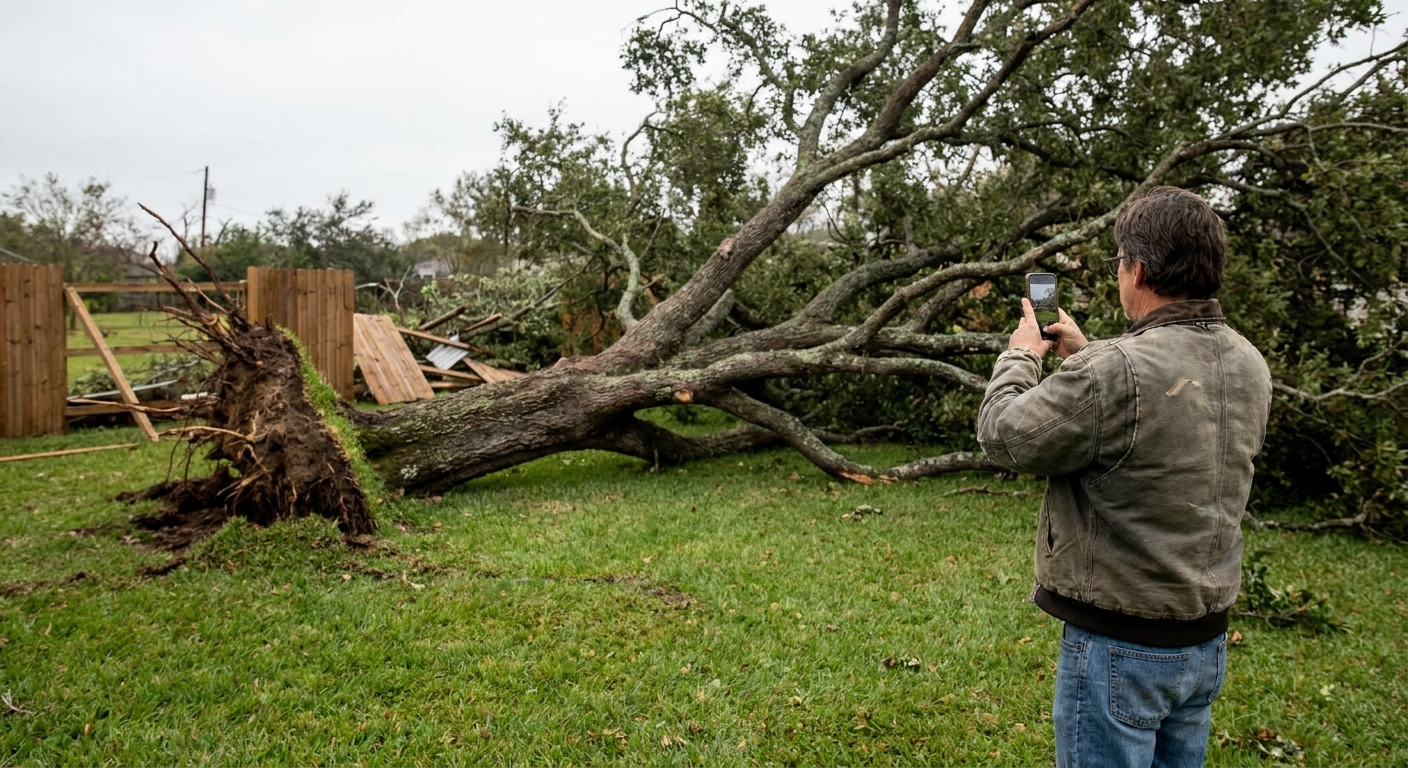
- Photograph the entire scene from multiple angles, including the tree’s base on the neighbour’s side, the trunk’s position relative to the fence or boundary, and all damage to structures, vehicles, or landscaping.
- Record the condition of the tree—any visible rot, hollows, or dead wood—and note the date and time the tree fell.
- Keep receipts for any emergency work, such as tarping a roof or temporary fencing, as these may be covered.
Notify the Neighbour and Your Insurance Company
- Tell the neighbour promptly, in writing if possible, and share photos. Ask them to confirm ownership and provide their insurance information if they believe their tree caused the damage.
- Contact your own insurance company as soon as practical. Even if the neighbour may be liable, your insurer can start repairs and will pursue the neighbour or their insurer if warranted.
- If the tree blocks a driveway or creates a hazard, arrange for professional removal, but keep the debris until the adjuster has assessed it, if feasible.
Home Insurance Coverage and the Claims Process
Most standard home insurance policies cover damage caused by a fallen tree, regardless of whose tree it was. Coverage typically includes the dwelling, other structures, and personal property, minus your deductible. Some policies also include a limited amount for debris removal.
Understanding Your Policy Coverage
Review your policy’s perils and exclusions. Windstorm and falling objects are usually covered, but there may be sub-limits for trees or for cleanup. If your policy has actual cash value rather than replacement cost, you may receive less for older items. Ask your adjuster to explain what applies before you agree to repairs.
Filing a Claim and Potential Subrogation
When you file a claim, the insurer assigns an adjuster who inspects the damage. Provide your photos, survey, and any evidence of the tree’s condition. If the adjuster determines the neighbour was negligent, your insurer may pay your claim and then pursue the neighbour’s insurer through a process called subrogation to recover the payout and your deductible.
Subrogation is common but not guaranteed. It depends on evidence of negligence, the neighbour’s policy limits, and the insurer’s assessment. Your best move is to cooperate fully and keep records of every communication.
What to Do If the Neighbour Is Uncooperative or Unknown
Sometimes the tree belongs to a vacant lot, an absentee owner, or a neighbour who denies responsibility. You still have options.
Contacting Local Authorities and Bylaw Officers
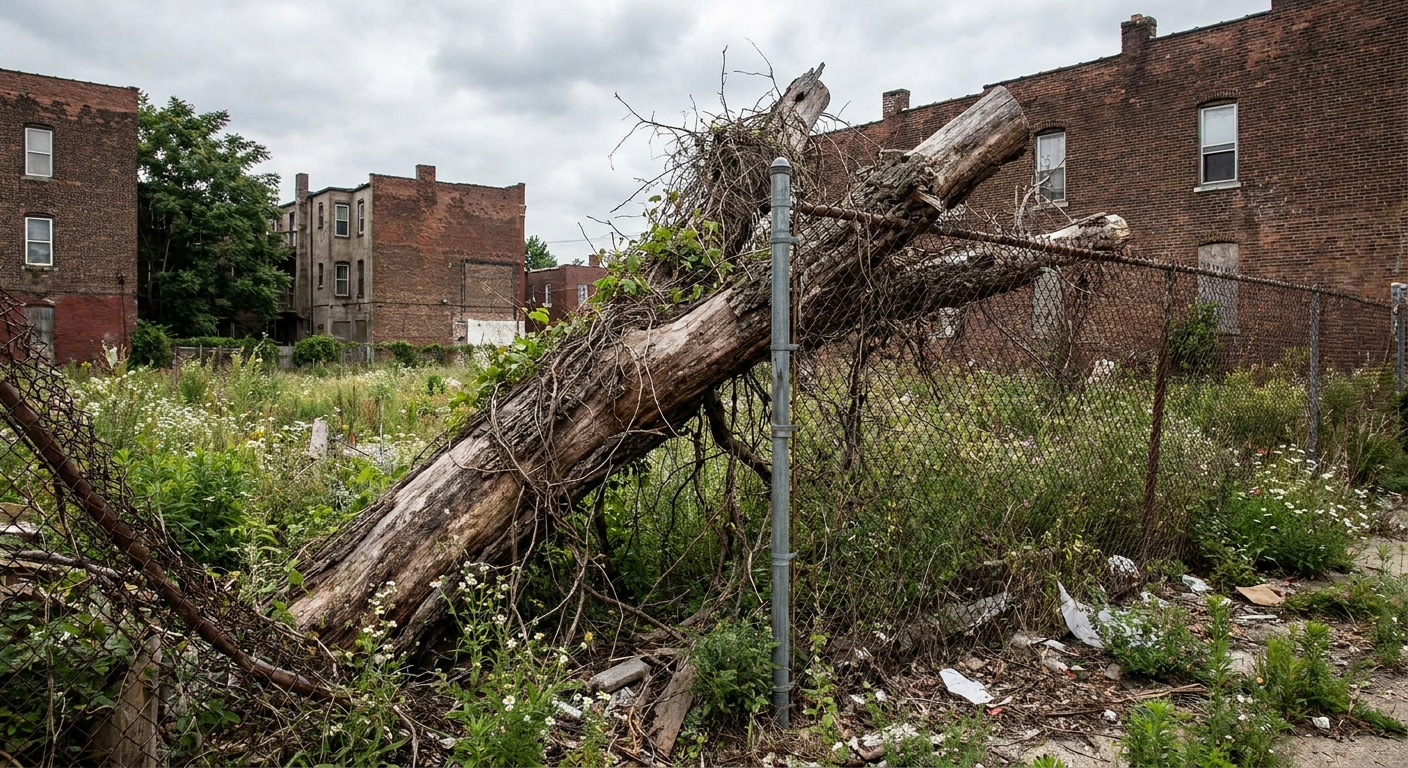
If the owner cannot be located, use your local land registry or property records office to find the registered owner’s name and mailing address. Send a dated letter with photos, your survey, and a request to remove the tree and address the damage. If that fails, contact your municipal bylaw or property standards department. Many bylaws require property owners to remove dead or hazardous trees; an officer can issue an order to comply.
Pursuing Legal Action in Small Claims Court
If you cannot resolve the matter and you incurred costs for cleanup or repairs that insurance did not cover, you may consider small claims court. Gather your survey, photos, arborist report, receipts, and copies of all correspondence. The court will weigh whether the owner was negligent. Note that small claims courts have monetary limits, so check your local rules before filing.
Keep every interaction respectful and documented. A clear paper trail is often enough to encourage a neighbour to cooperate without going to court.
Local Bylaws and Municipal Regulations
Municipal rules can affect both liability and cleanup. Even if the tree belonged to a neighbour, some local bylaws place responsibility for fallen debris on the property where it landed. That means you may need to clear branches from your own yard, but the neighbour may still be liable for the underlying damage if negligent.
Tree Maintenance Requirements
Many municipalities require property owners to maintain trees on their land, including removing dead or hazardous limbs. Failure to comply can be evidence of negligence in a later dispute. If you notice a neighbour’s tree is unsafe, reporting it to the bylaw office creates a record that may help your case.
Permits and Removal Regulations
Removing a fallen tree—or the remaining stump—may require a permit, depending on local tree protection bylaws. Always check before cutting, because removing a tree without a permit can result in fines. A professional tree service will know the local rules and can handle the paperwork.
Conclusion: Next Steps for Homeowners
When a neighbour’s tree falls on your property, the sequence is straightforward: confirm ownership with your survey, document everything, notify the neighbour and your insurance company, and determine whether negligence was involved by looking at the tree’s condition. If the neighbour is uncooperative, use bylaw enforcement or small claims court as a last resort.
Remember that most policies cover fallen tree damage even when no one is at fault, so your own coverage is often the fastest path to repairs. If you need help documenting the tree or managing the removal, contact our team—we respond to fallen tree situations regularly and can help you protect your property and your claim.
Areas We Serve
Local rules shape how property lines, shared trees and fault are handled. Our area hubs show how we work in each place and what to expect next, so you can quickly see what applies where you live.
- Central Saanich Arborists & Tree Services
- Colwood Arborists & Tree Services
- Esquimalt Arborists & Tree Services
- Highlands Arborists & Tree Services
- Langford Arborists & Tree Services
- North Saanich Arborists & Tree Services
- Oak Bay Arborists & Tree Services
- Saanich Arborists & Tree Services
- Sidney Arborists & Tree Services
- Victoria Arborists & Tree Services